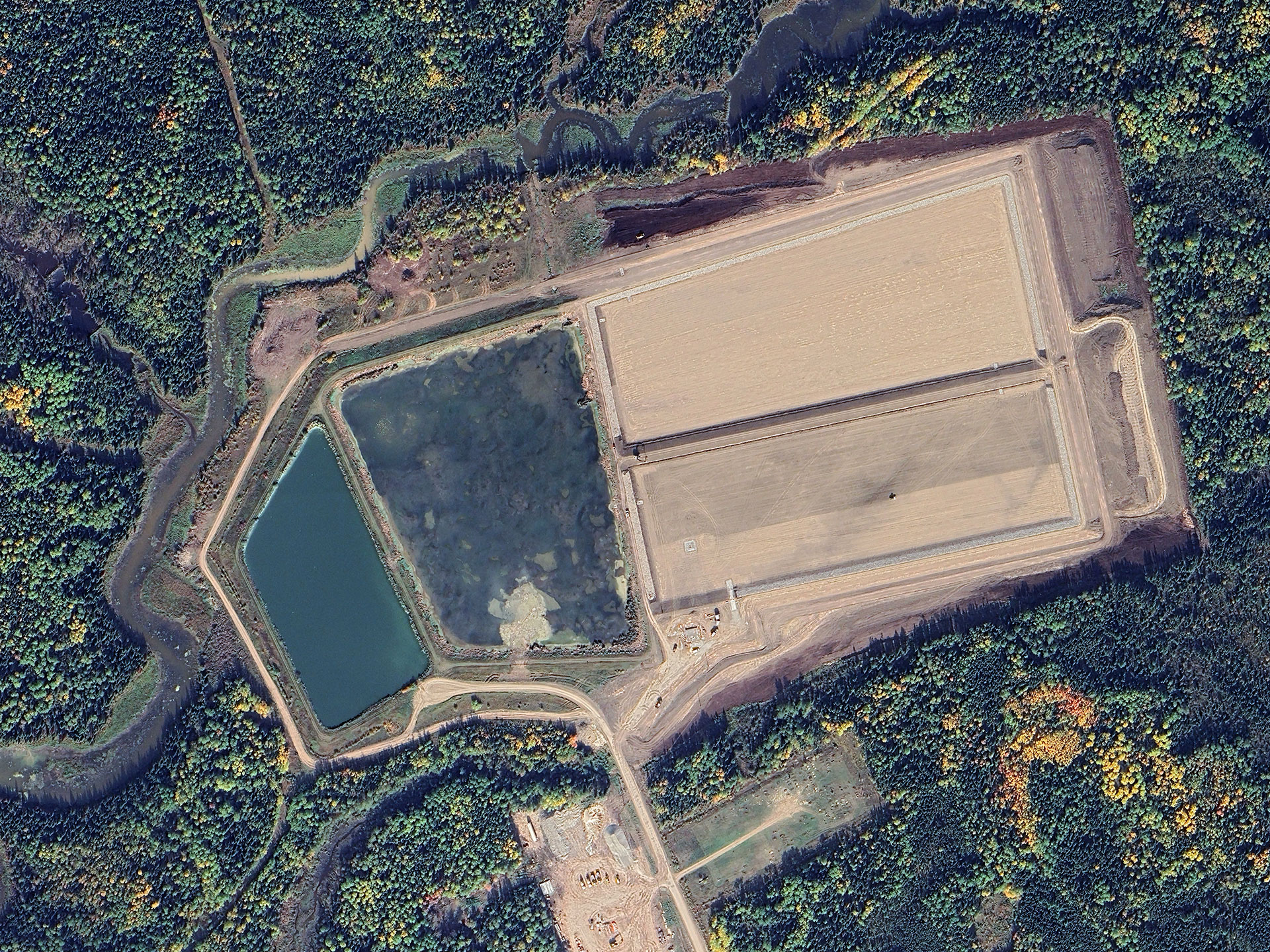
Poplar River First Nation’s wastewater lagoon had exceeded its treatment capacity, creating compliance challenges and limiting future growth. The community needed an upgrade that could deliver long‑term reliability within a constrained site. The project added new primary and secondary cells, converted the existing primary cell to expand secondary treatment, and installed all required interconnecting piping.
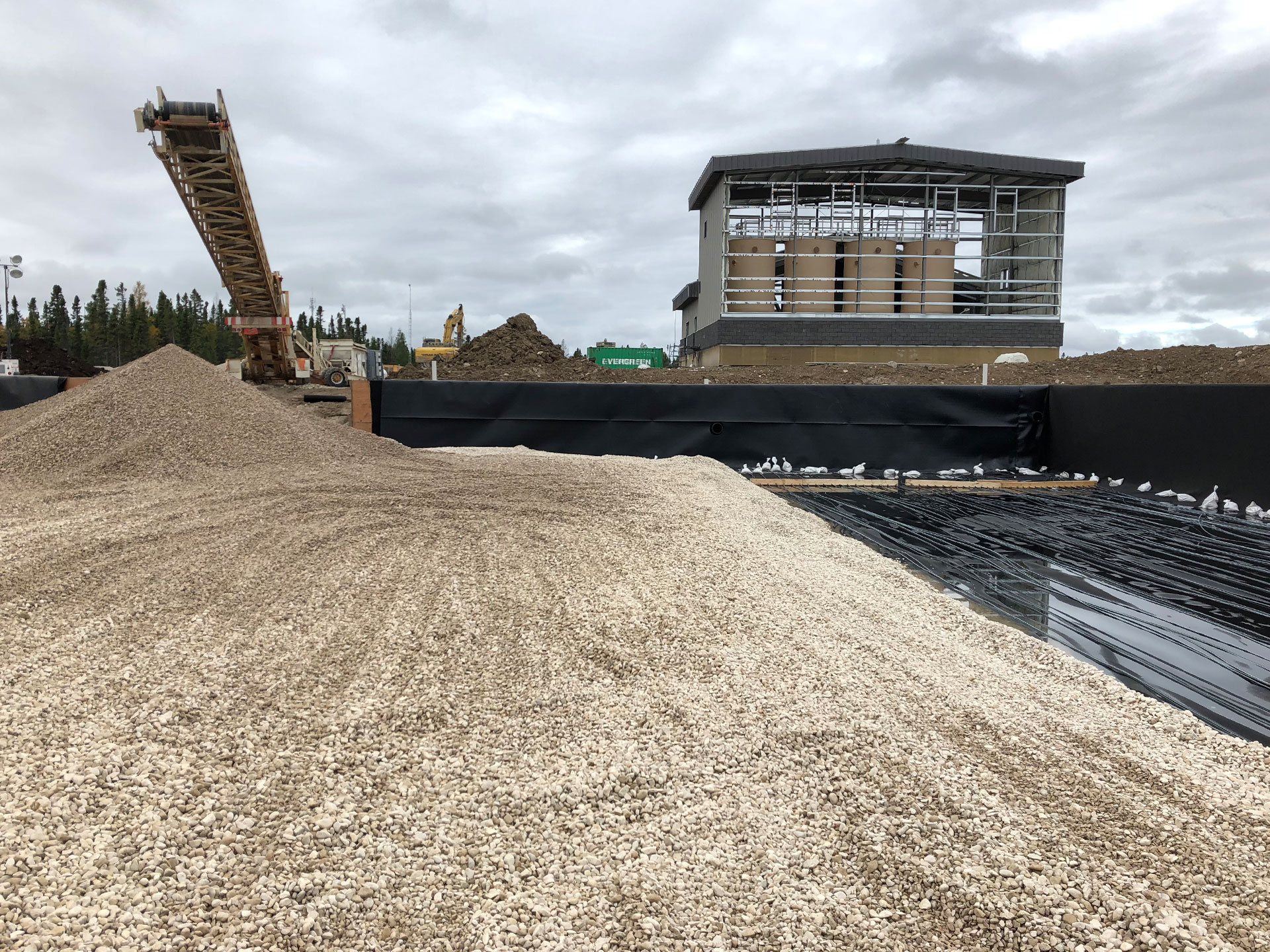
Opaskwayak Cree Nation (OCN) retained JRCC to provide the engineering services for a new aerated lagoon to replace the existing sewage treatment plant. The existing OCN sewage treatment plant did not meet discharge requirements, despite multiple upgrades and process modifications, and, according to the operator, has never functioned properly. The wastewater treatment project consisted of
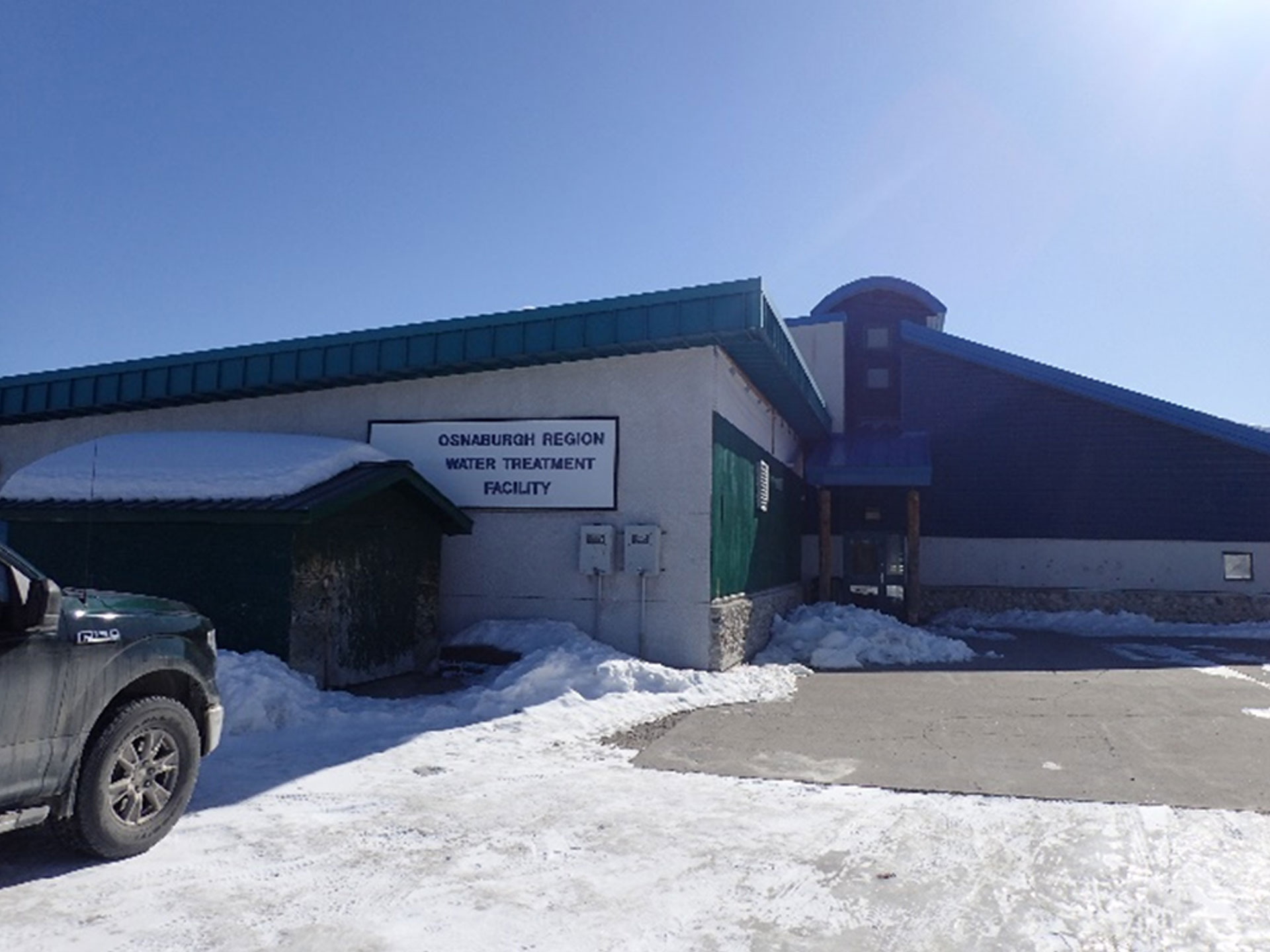
Mishkeegogamang First Nation is serviced by two water treatment plants – the Ten Houses WTP and the New Osnaburgh WTP. The New Osnaburgh WTP was a membrane system that provided sufficient water treatment, but was experiencing equipment performance issues. The community required additional reservoir storage capacity. JRCC prepared a Water Treatment Feasibility Study to review
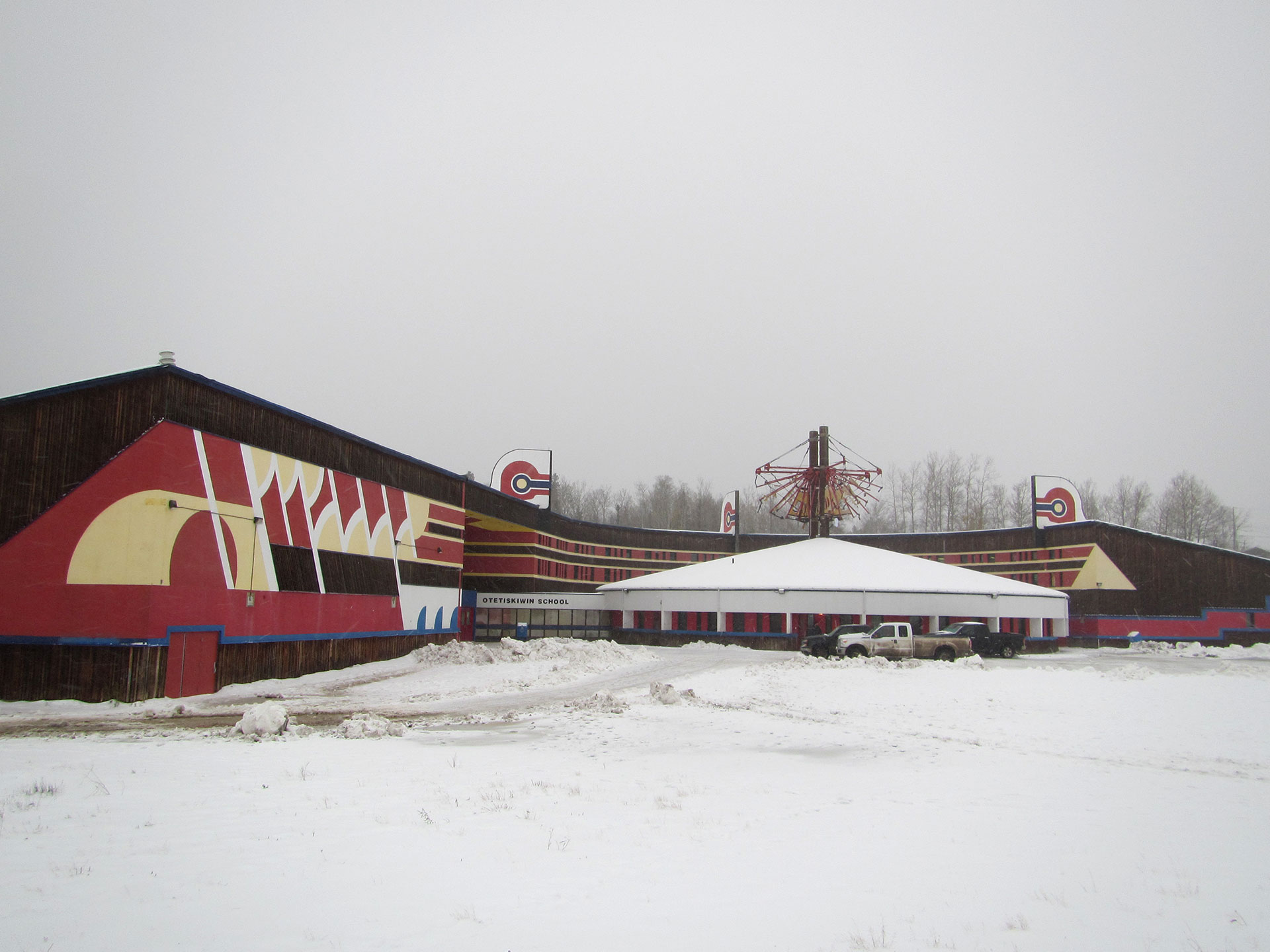
JRCC was retained by the Nisichawayasihk Cree Nation (NCN) to conduct a Phase I Environmental Site Assessment of the NCN Reserve lands, consisting of 25,000 ha over 18 separate land parcels. The Phase I ESA was completed in 2017 and included a records review, site visits to several reserve parcels, interviews with First Nation personnel
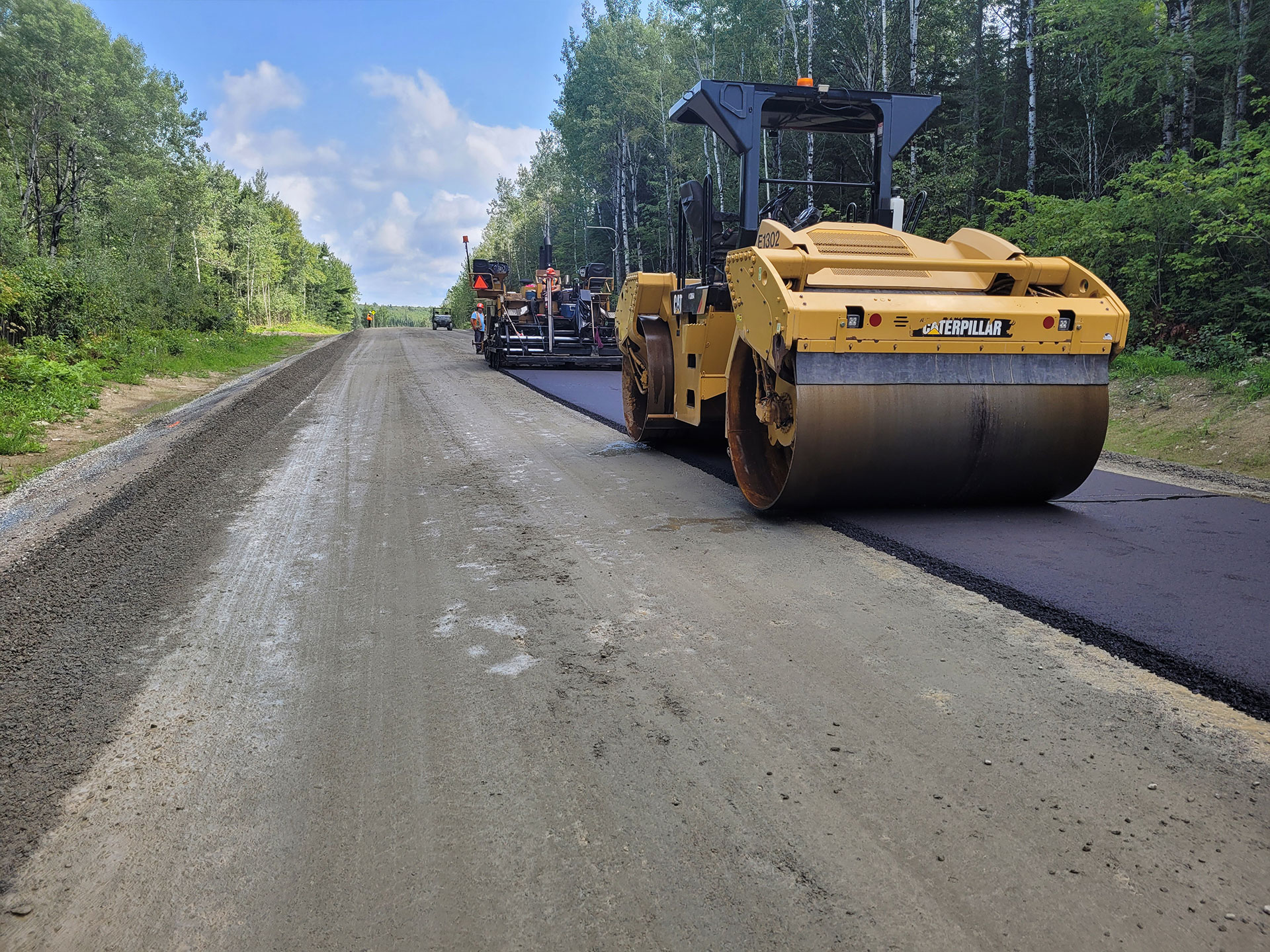
Blue Mountain Drive, the primary access route serving Naotkamegwanning First Nation, Northwest Angle #33 First Nation, and Animakee Wa Zhing #37 First Nation, required significant rehabilitation to improve safety, reliability, and long-term performance. The existing surface-treated roadway had a Pavement Condition Rating (PCR) of 40/100, indicating poor to fair condition, with frequent potholes, surface distortions,
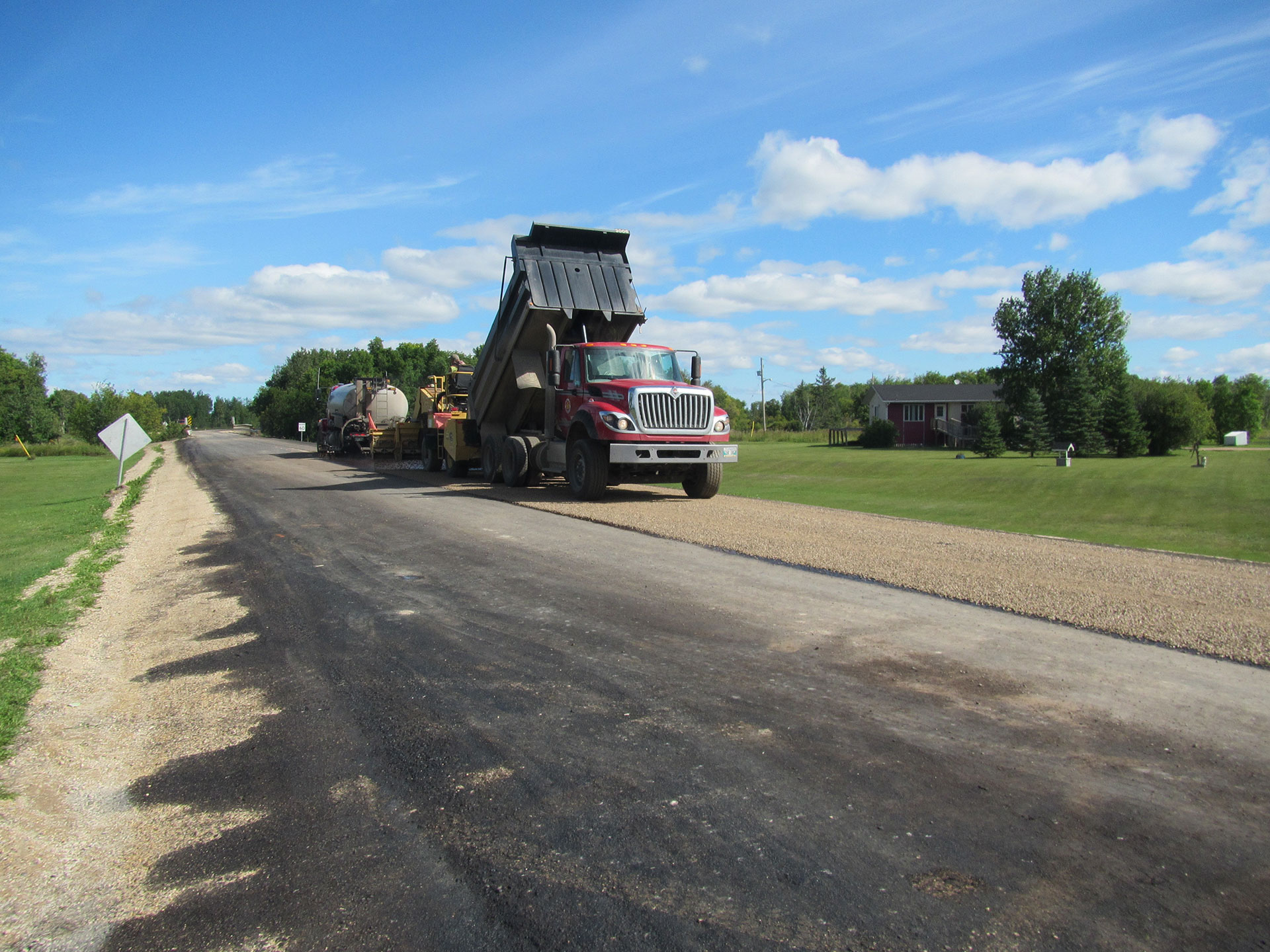
Fisher River Cree Nation was in need of a road upgrade to the existing community road situated west of PR 224, known as West Road. Upgrade works were completed on both sides of the West Road bridge that crosses the Fisher River. The 2.6 km stretch of West Road was re-graded; geotextile and granular material
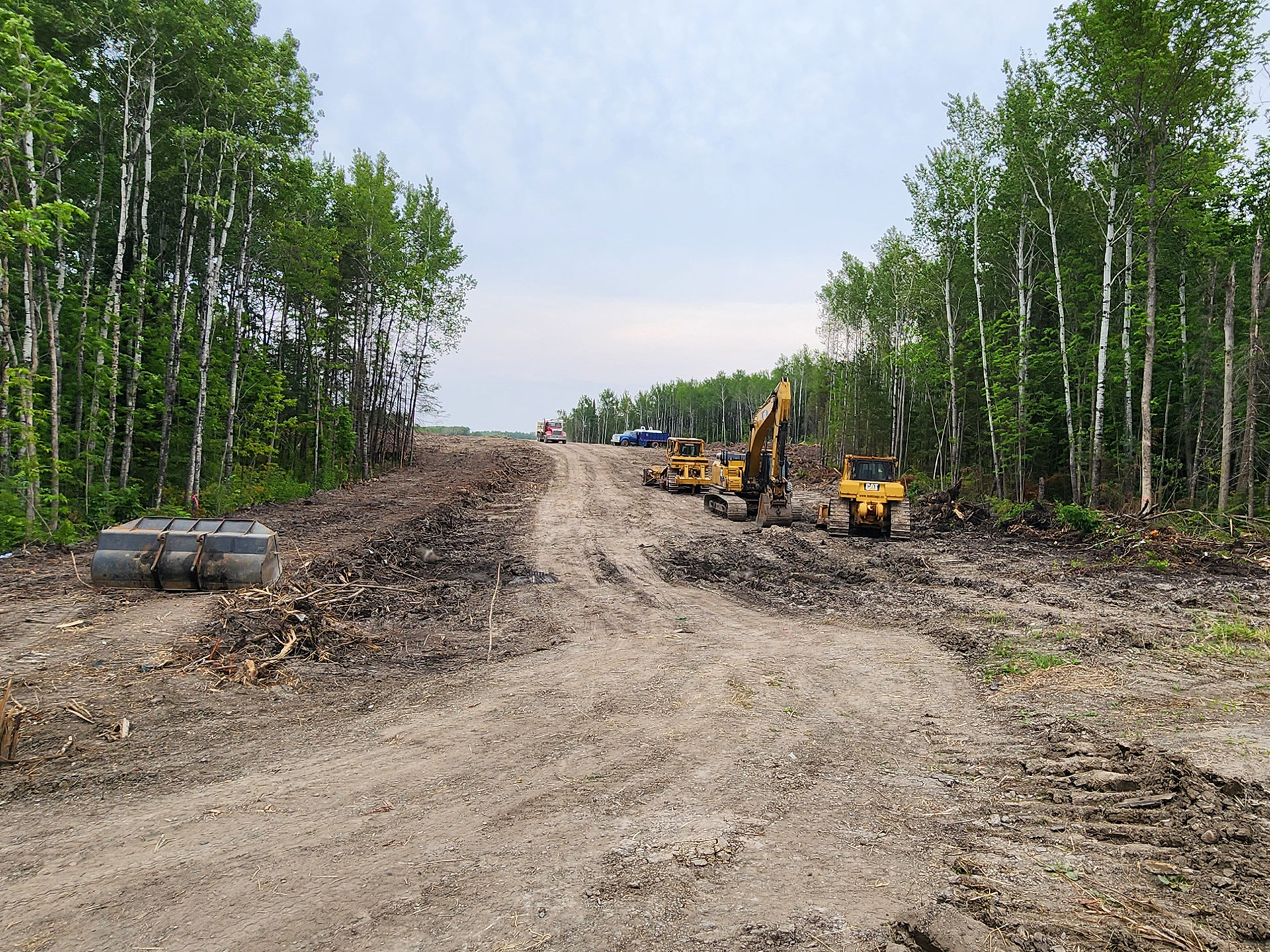
Wabaseemoong Independent Nations is undertaking the development of a new residential subdivision. JRCC was originally retained for the Feasibility Study of the entire 117-lot development and was subsequently retained to design the 62-lot Phase One development. The design included water distribution piping, sewer collection piping, residential roads and drainage, pedestrian walkways, driveways, and lot grading.
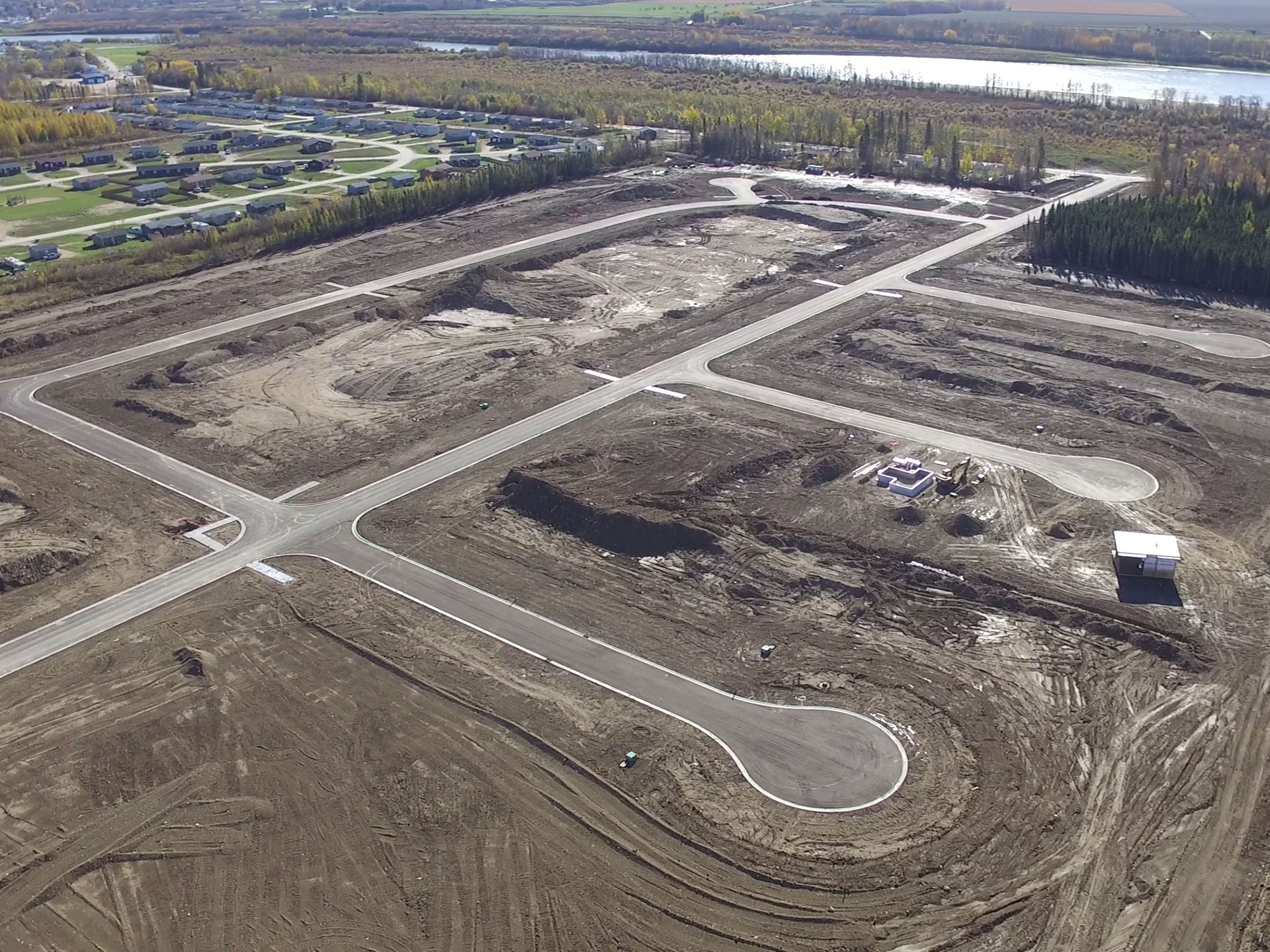
JRCC provided planning, engineering design, and construction administration services for Phase 1 of the Amisk West Subdivision, a new urban-style residential development designed to address housing shortages and support long-term growth within Opaskwayak Cree Nation. The project included 95 single-family lots, three multi-family apartment complexes, paved roads, sidewalks, street lighting, water and sewer services, and
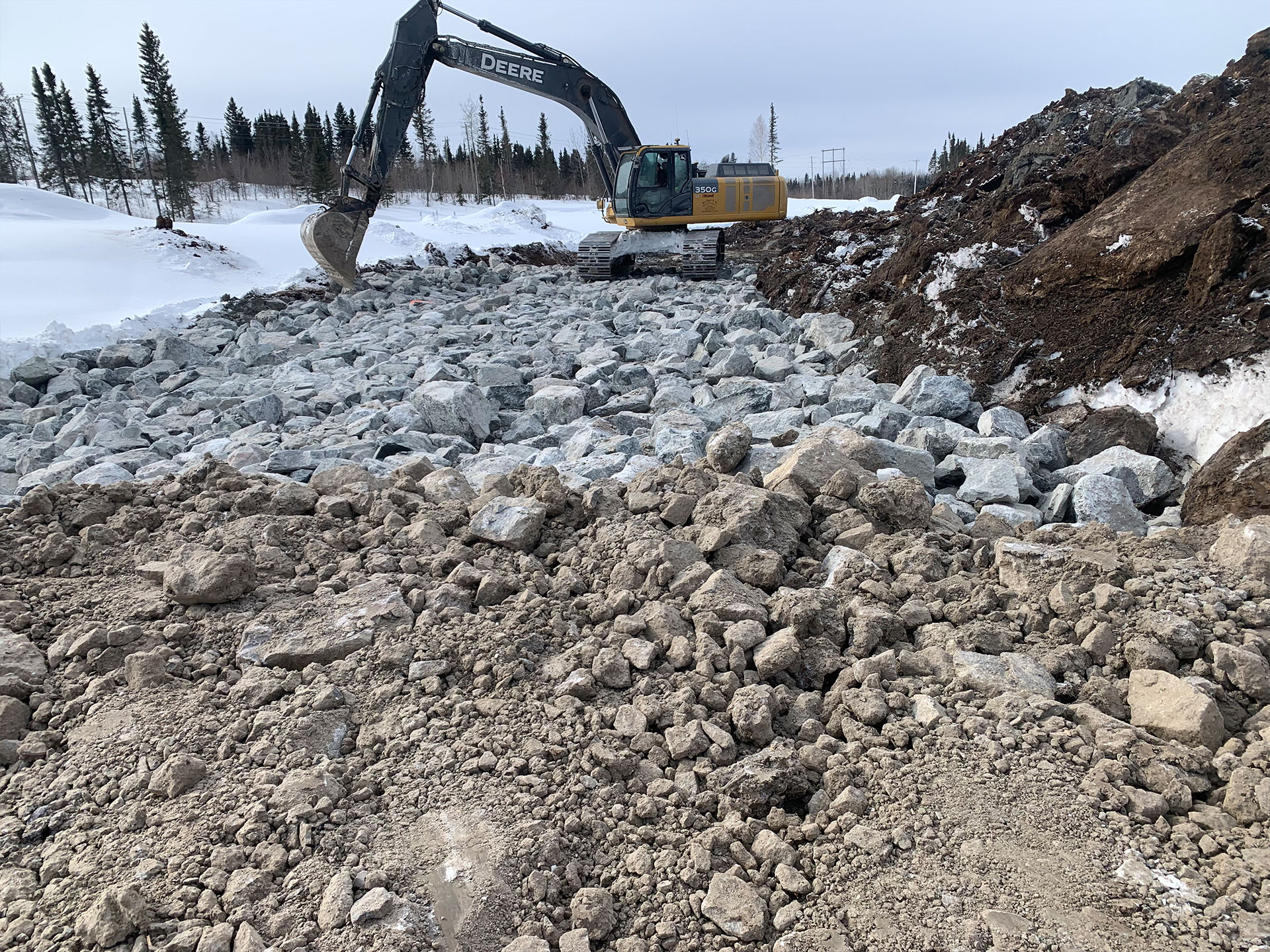
Nisichawayasihk Cree Nation, located 65 km west of Thompson, Manitoba, developed a new residential subdivision along Moody Drive to support community growth. The project required a servicing approach that accounted for the community’s remote northern location and the need for reliable, low‑maintenance infrastructure. JRCC was engaged to design the full municipal servicing package, including water
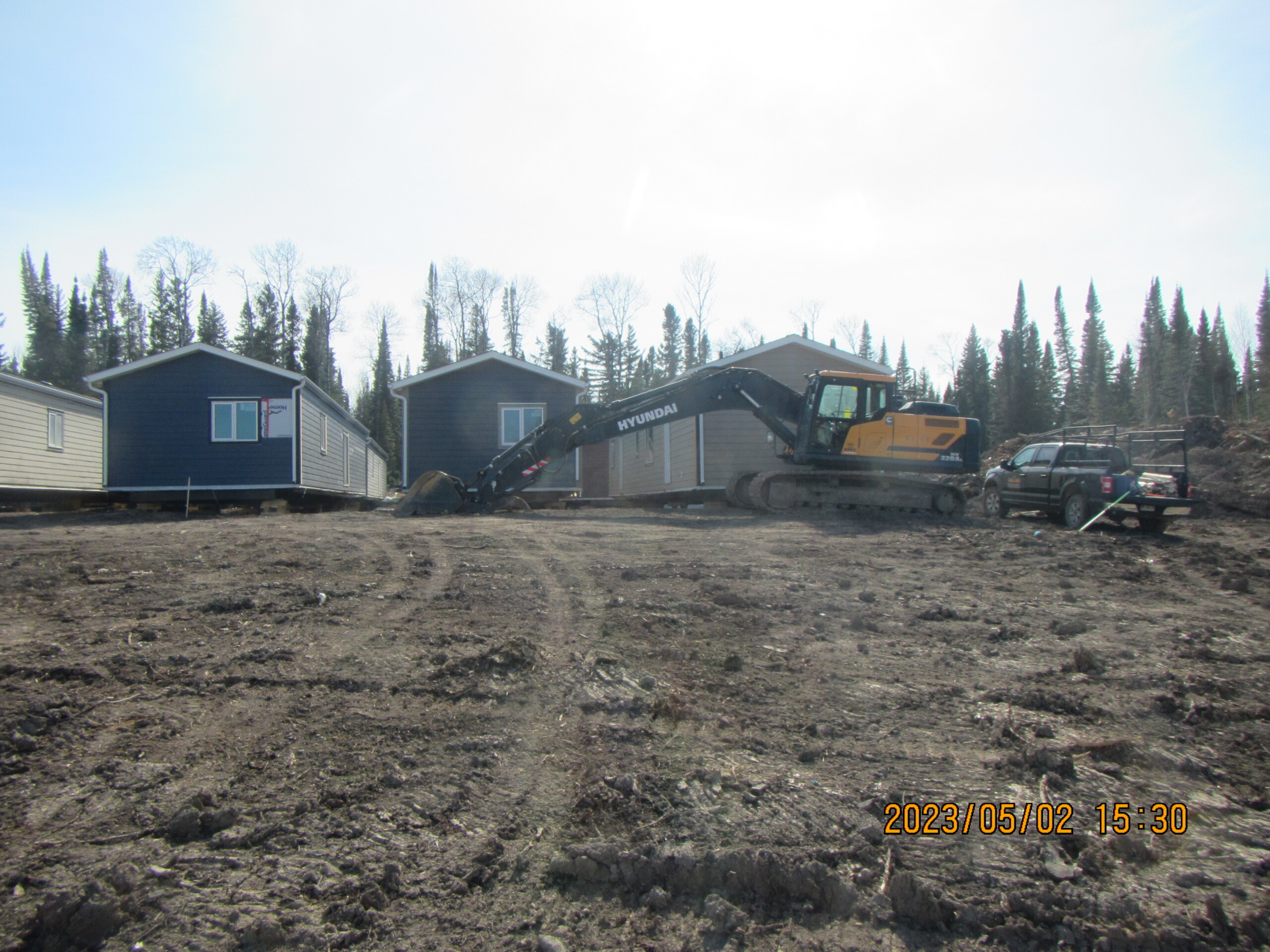
Sandy Lake First Nation required 40 residential lots to accommodate delivery of 17 modular homes in 2023, and 23 modular homes in 2024. The residential lots are being developed over two phases based on the delivery schedule for the modular homes. JRCC was retained to provide engineering design services for the 40 residential lots, which


91A Scurfield Boulevard
Winnipeg, MB
R3Y 1G4 Canada
P 204-489-0474
F 204-489-0487
info@jrcc.ca

© 2026 JR Cousin Consultants Ltd. All Rights Reserved | Privacy Policy